Research: Finding Gold Locations
Gold has been found in varying amounts in every state in the nation. The mineral bearing areas of each of them has been well documented and the areas defined. Time spent at the local library can be very rewarding, biographies and family histories of old miners and prospectors can give great insight as to the best areas to both avoid, because they have been mined out, and where best to focus your efforts at actively prospecting for new pockets and un-worked streaks of alluvial gold.
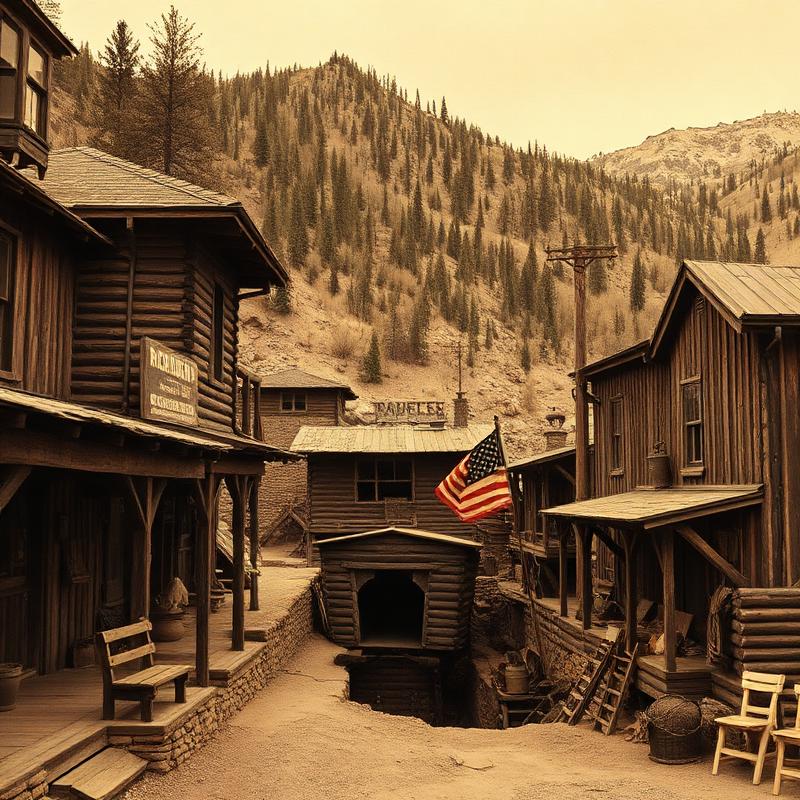
Study Ghost Town History
History of the gold rush towns, many considered ghost towns, must be looked at with a modern "forensics" kind of eye. Tent camps sprang up around individual mines and placers, most miners stayed in tents and at that time there really was no place secure to keep their valuables.
Hidden Caches
The individual miner would find a place nearby to bury or cache their "poke". Locating these long abandoned tent camps creates a good place for the modern prospector to go metal detecting. The camp dump may be a possible source of artifacts. Prominent rock outcrops, large old trees, stumps, etc. landmarks the miner could get back and find are good places to pay attention to.
Maps as Resources
Maps of the mineral belt areas are a huge resource. Locate the streams and creeks that flow out from the mineral bearing areas. Look for mines noted on the map.
USGS Topographic Maps
USGS topographic maps, quad maps, are detailed enough to take you to the specific areas. Check the date the map was last updated (many USGS maps are dated from the 1950's)—more current information may be available on commercial maps.
Warning: Know the Claims
Be careful not to trespass or become an inadvertent claim jumper! Always verify that the land you plan to prospect is open to recreational prospecting.
Modern Map Resources
DeLorme has a great series of topographic maps that have GPS coordinates and are detailed enough to be a great source of current information. These modern maps combined with a GPS device make finding specific locations much easier than in the old days.
Research Checklist
- Visit local libraries for mining histories and biographies
- Study ghost town locations and tent camp sites
- Obtain USGS topographic maps of mineral belt areas
- Look for marked mines and streams on maps
- Check map dates and find updated versions if needed
- Verify land ownership and claim status before prospecting
- Use GPS coordinates from modern map resources