Tips and Tricks
Geologists estimate only 5% of Earth's Gold has been found!
1. Do Your Homework
Start by going to the library and look into the history of where you plan to go on your prospecting vacation. The mineral bearing areas of every state have been well-defined over the last 300 years or so. Gold has been found in varying amounts in every state in the union!
2. Study the Geology
Study up on the geology of the area, look at the map. Find the streams and creeks that flow out from the gold-bearing areas. Look for historic mines noted on the map. USGS topo maps, quad maps, are detailed enough to take you to the right place.
Some of them haven't been updated in quite a long time so be sure to check the date and perhaps look for a detailed topographic map that is newer. DeLorme has a great series of maps that work for this quite well. GPS coordinates are very helpful as technology works for the prospector!
3. Use the Internet
Use the Internet to find out current information on the areas you plan to visit. Look into joining a club and share in the member benefits. As a member many clubs and organizations will allow you access to proven gold claims. Forums and chat rooms are also great places to get educated in the fine art of prospecting.
4. Look for the Signs
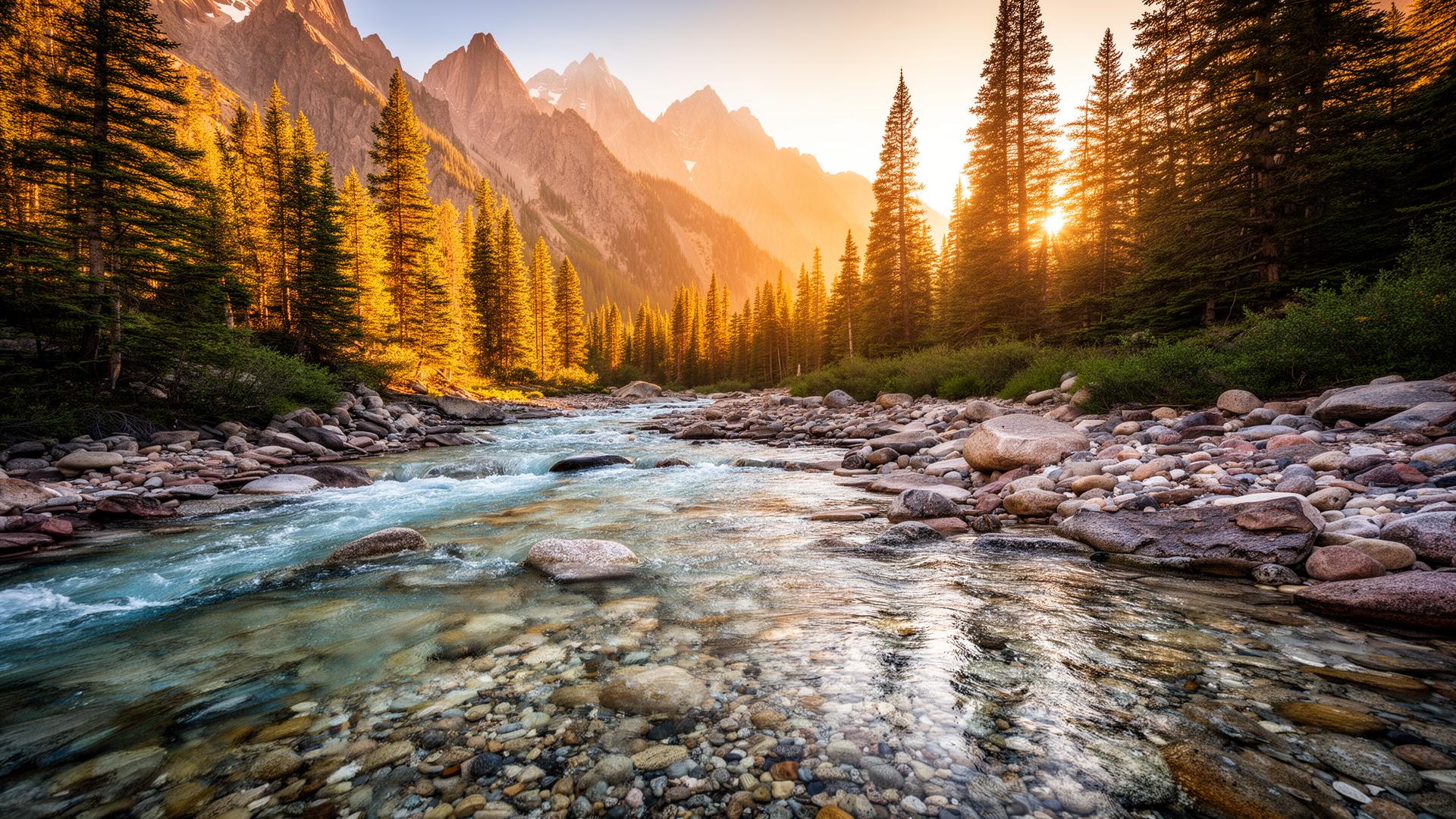
Get out on the stream and look for the "signs". Gold is very dense and heavy compared to about everything else. Look for a bend in the stream or a rock that creates an eddy. Gold being heavy will collect in these areas. As the water slows around the bend or behind the rock, the gold drops out of the current.
5. Understand Gold Deposits
Gold, silver and platinum are deposited as an intrusion by volcanic pressures into fissures in harder material such as granite. Gold is associated with quartz because the same geologic forces are necessary to create both.
What to Look For
Look for orange to yellow stains created by iron and copper oxides. These oxides are what create the "black sand", and being heavy, will be mixed in where you find the gold. Water and weathering erode the deposits and the gold being dense works its way down to the lowest levels ultimately sitting on the bedrock. Look for places where the stream has cut down to the bedrock.
6. Glacial Deposits
Glaciers eroding the mountain sides took the ore deposits and ground them up as they slowly slid down the valleys. These placer deposits have been historically the best place to find "free" or loose gold.
7. False Bedrock
A layer of clay or dense material will act as a false bedrock and the gold won't penetrate that layer. Dig down to and then "skim" material from the top of that layer.
Pro Tip: Moss and Roots
Moss and roots will act as a trap for fine gold and small nuggets. Wash this material gently and thoroughly and replant it alive where you found it. Always fill in your holes, don't undercut trees and brush.